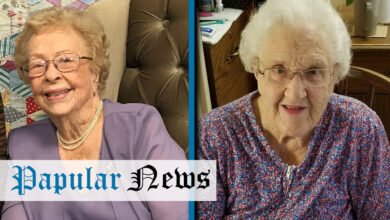
Who Is Gabi Goslar? The Younger Sister of Hannah Pick-Goslar Who Survived Bergen-Belsen and the Lost Train

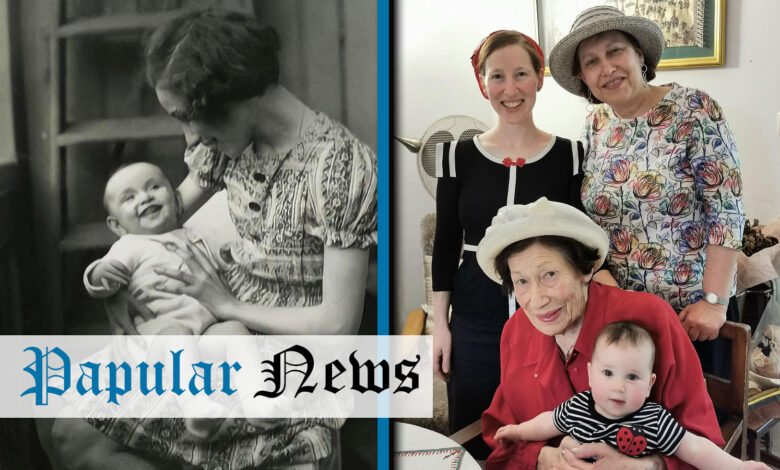
Gabi Goslar is the younger sister of Hannah Pick-Goslar, the childhood friend of Anne Frank. Gabi was born in Amsterdam in 1940 and was just a small child when the Holocaust reached her family. She survived Bergen-Belsen and the Lost Train with her older sister, and the two girls were the only people from their household to live through the war. Most readers know Hannah’s story because of her bond with Anne. Gabi’s part is quieter, but it matters just as much. This article explains what reliable sources say about her life, from her birth to the years after the war.
Quick Bio Of Gabi Goslar
| Detail | Information |
|---|---|
| Birth name | Rahel Gabriële Ida Goslar (some sources write Rachel Gabriela Ida) |
| Nickname | Gabi, and sometimes “Gigi” |
| Born | 25 October 1940, Amsterdam, Netherlands |
| Parents | Hans Goslar and Ruth Judith Klee |
| Sister | Hannah “Hanneli” Pick-Goslar (1928 to 2022) |
| Mother’s death | 27 October 1942, after giving birth to a stillborn baby |
| Arrested | June 1943, in Amsterdam |
| Camps | Westerbork, then Bergen-Belsen (from 15 February 1944) |
| Father’s death | 25 February 1945 |
| Freed | April 1945, from the Lost Train near Tröbitz and Schilda, Germany |
| Reunited with uncle | 5 December 1945, in Switzerland (Hans Klee) |
| Known for | Surviving the Holocaust as a toddler alongside her sister |
Who Were Gabi Goslar’s Parents and Family?
Gabi’s parents were Hans Goslar and Ruth Judith Klee, a religious Jewish couple who had moved from Germany to the Netherlands. Her older sister Hannah was born in Berlin on 12 November 1928. Their father worked in the German government, but he lost his job in 1933 after the Nazi Party took power. The family then left Germany and settled in Amsterdam.
By early 1934, the Goslars lived at Merwedeplein 31, close to the Frank family. The two families became good friends, and that is how Hannah met Anne Frank. The girls went to the same schools and stayed close for years.
Gabi came along much later. She was born in Amsterdam, which means she never lived in Germany. You may see some websites say she was born in Frankfurt. The records kept by the city of Amsterdam, which the Anne Frank House uses, show that she was born in Amsterdam.
How Did the War Change Gabi’s Early Childhood?
The war shaped almost every day of Gabi’s first years. The German army had taken over the Netherlands in May 1940, five months before she was born. Soon after, new rules began to limit Jewish life. In August 1941, for example, Jewish students were only allowed to learn from Jewish teachers, so Hannah and Anne moved to the Jewish Lyceum.
Going into hiding was not a real option for the Goslars. They had a very young child, and Gabi’s mother was expecting another baby in 1942. Hiding with a toddler and a pregnant mother would have been extremely hard.
Then came a heavy loss. On 26 October 1942, the baby was stillborn. The next day, Ruth Goslar died. Gabi had just turned two, and Hannah was thirteen. Anne Frank wrote about the baby’s loss in her diary on 2 November 1942. The Anne Frank House says she probably did not yet know that Hannah’s mother had died too.
After that, the family was smaller and even more alone. Hans Goslar, Hannah, and Gabi were left to face the war without Ruth.
What Happened When the Goslar Family Was Arrested?
The Goslar family was arrested in June 1943 during a large raid in Amsterdam South. The Anne Frank House gives the date of the raid as 20 June 1943. Hannah, Gabi, their father, and their maternal grandparents were all taken.
They were sent to Westerbork, a transit camp in the northeast of the Netherlands. Jewish families from all over the country were held there before being sent farther east. Gabi’s grandfather, Alfred Klee, died at Westerbork in November 1943 of a heart attack.
On 15 February 1944, Hannah, Gabi, and their father were deported to Bergen-Belsen in Germany. Gabi was three years old. She was far too young to understand what was happening, but she lived through all of it.
What Was Life Like for Gabi at Bergen-Belsen?
Life at Bergen-Belsen was hard, even in the part of the camp where the Goslars were kept. Hannah was placed in the Sternlager, which means “star camp.” Prisoners there had some special papers, and conditions were a little better than in other parts of the camp. According to Wikipedia, the family held papers for Mandatory Palestine and Paraguayan passports, which made them eligible for possible prisoner exchanges.
Even so, hunger, cold, and sickness were everywhere. Hannah and Gabi stayed in the camp for about fourteen months. During that time, they lost more of their family. Their father, Hans Goslar, died on 25 February 1945. Their grandmother, Therese Klee, died on 25 March 1945.
After that, the two girls had no close adult relatives left with them. Hannah was a teenager. Gabi was about four years old. They kept each other alive, and that is a big part of why both of them are remembered today.
Did Gabi Goslar Know Anne Frank?
Gabi did not have a close friendship with Anne Frank, because she was far too young. Anne went into hiding in July 1942, when Gabi was not yet two. In the camp, Gabi was only three or four years old.
Her sister Hannah was the one who knew Anne well. In early 1945, Hannah learned that Anne was in the part of Bergen-Belsen next to the Sternlager. A fence separated the two areas. Hannah heard the voice of Auguste van Pels, who helped connect the two friends. Hannah and Anne met at the fence three times.
The first meeting was full of tears. Anne believed her parents were dead, and Hannah had thought Anne was safe in Switzerland. Hannah tried to help by gathering food and clothes. The first parcel she threw over the fence was caught by another woman and never reached Anne. A few days later, Hannah tried again, and that time Anne received the parcel. It was the last contact between the two girls. Anne died in the camp not long after.
Gabi was in the same camp during these months, but sources do not describe her taking part in these meetings. Her link to Anne’s story comes through her sister.
What Was the Lost Train, and How Did Gabi Survive It?
The Lost Train was a transport of prisoners from Bergen-Belsen that wandered through Germany in the last weeks of the war. In early April 1945, Hannah and Gabi were put on this train. It was meant to go to Theresienstadt, but it ended up stuck near the villages of Tröbitz and Schilda.
The train held many sick and weak people, and conditions were terrible. Many prisoners died, some even after they were freed, because they were so ill. The train was stopped in April 1945, and the prisoners were liberated there.
Hannah and Gabi were among the survivors. According to Wikipedia, the sisters were sick and underfed, and they found temporary shelter in the home of the mayor of Schilda. They had lived through Westerbork, Bergen-Belsen, and the Lost Train. Gabi was not yet five years old.
What Happened to Gabi After the War?
After the war, Gabi and Hannah returned to the Netherlands in the summer of 1945. Hannah first spent several months in a hospital in Maastricht because she had typhus. Otto Frank, Anne’s father, visited her there in early August 1945. He told her that Anne had died. Hannah then moved to the Joodse Invalide in Amsterdam, and Otto visited her there as well.
With Otto Frank’s help, Hannah and Gabi were reunited with their uncle, Hans Klee, in Switzerland on 5 December 1945. Hannah recovered in a sanatorium and finished school in Basel. In May 1947, she received a certificate to travel to Mandatory Palestine, and she arrived on 30 May. She later trained as a children’s nurse in Jerusalem.
Wikipedia states that both sisters moved to Israel. The public sources say less about where Gabi lived during each of these months, and it would be wrong to guess. What is clear is that the two sisters stayed close. Hannah later visited places in Germany together with her sister and spoke to students about their experiences.
What Do We Know About Gabi Goslar’s Adult Life?
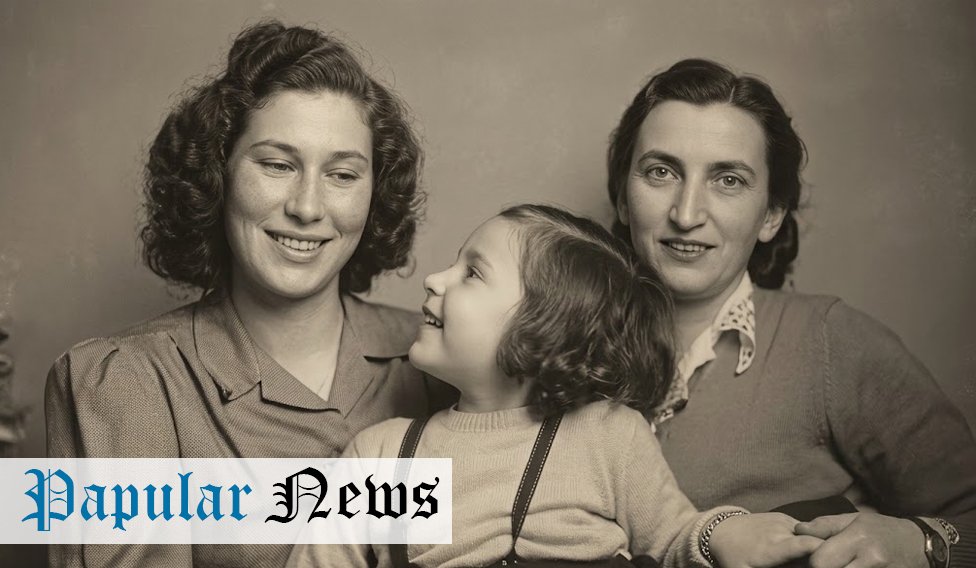
There is very little public information about Gabi’s adult life. Unlike Hannah, who gave interviews, appeared in documentaries, and wrote a memoir, Gabi stayed out of the public eye. Hannah worked as a nurse, married Walter Pinchas Pick, had three children, and lived in Jerusalem until she died there on 28 October 2022 at age 93.
This lack of detail leads to a problem. Some websites fill the gaps with made-up facts. Here are a few claims that reliable sources do not support:
- Gabi was born in Frankfurt (records show Amsterdam).
- Gabi was Anne Frank’s best friend (that was Hannah).
- Gabi wrote her own memoir (the memoir is by Hannah, with Dina Kraft).
We also found no reliable source that states whether Gabi is alive today. Because she has lived a private life, it is fair to respect that and avoid guessing. If you want to know more, the best places to look are the Anne Frank House research pages, Yad Vashem testimonies, and Hannah’s book My Friend Anne Frank, published in 2023.
Why Does Gabi Goslar’s Story Matter?
Gabi’s story matters because she shows what the Holocaust meant for the youngest victims. Most Jewish children who were sent to camps did not survive. Gabi was a toddler when her mother died, a small child when she was arrested, and not yet five when she was freed. She lived through all of it because her sister never left her side.
Her story also reminds us that history is not only about famous names. Anne Frank is known all over the world, and Hannah became a respected witness. Gabi’s life is a smaller thread in the same story, and it deserves to be told with care and with facts.
Final Thoughts
Gabi Goslar was born in Amsterdam in 1940 and lost her mother at two, her freedom at not yet three, and her father at four. She survived Westerbork, Bergen-Belsen, and the Lost Train, and she stayed with her sister Hannah through all of it. Though she has never been in the spotlight, her story is real and well supported by archives. When you read about Anne Frank and Hannah Pick-Goslar, remember that a little girl named Gabi was there too.
Frequently Asked Questions
Who is Gabi Goslar?
Gabi Goslar is the younger sister of Hannah Pick-Goslar, who was a childhood friend of Anne Frank. She was born in Amsterdam in 1940, survived Westerbork, Bergen-Belsen, and the Lost Train as a small child, and was one of only two people from her household to live through the war.
When and where was Gabi Goslar born?
Gabi was born on 25 October 1940 in Amsterdam, in the Netherlands. Her full birth name was Rahel Gabriële Ida Goslar, and some sources spell it Rachel Gabriela Ida. Her parents were Hans Goslar and Ruth Judith Klee. Some websites say she was born in Frankfurt, but official records point to Amsterdam.
Was Gabi Goslar a friend of Anne Frank?
No. Gabi was only a toddler when Anne went into hiding in 1942 and only three or four years old in the camps, so she was too young to be Anne’s friend. Her older sister Hannah was Anne’s close friend. Hannah met Anne three times at a fence in Bergen-Belsen in early 1945.
How did Gabi Goslar survive the Holocaust?
Gabi survived with her older sister Hannah through about fourteen months at Bergen-Belsen. In April 1945, the girls were put on a train that stopped near Tröbitz and Schilda in Germany, where they were freed. Sick and weak, they found shelter, returned to the Netherlands that summer, and later reunited with their uncle in Switzerland.
Did Gabi Goslar write a book?
No reliable source we found shows that Gabi wrote a book. Some websites claim she wrote a memoir, but those claims are not backed by evidence. Her sister Hannah wrote the memoir My Friend Anne Frank with Dina Kraft, published in 2023. That book is a better source for the sisters’ story.