

If you typed “pravi celer” into Google, you probably saw many different results. Some pages talk about food and health. Others talk about computer chips, car models or even crypto coins. That can be confusing. So let’s make it simple.
In this guide, you will learn what pravi celer means, what it looks like, and what is inside it. You will also learn how it may help your body, who should be careful with it, and how to buy, store and cook it. At the end, you will find answers to ten common questions.
Everything here is written in plain words, so you can read it fast and use it in your own kitchen today.
What Does Pravi Celer Mean?
“Pravi celer” comes from the Balkan languages, such as Serbian, Croatian and Slovene. The two words are easy to translate:
- Pravi means “real” or “true”.
- Celer means “celery”.
So the direct meaning of pravi celer is “real celery”.
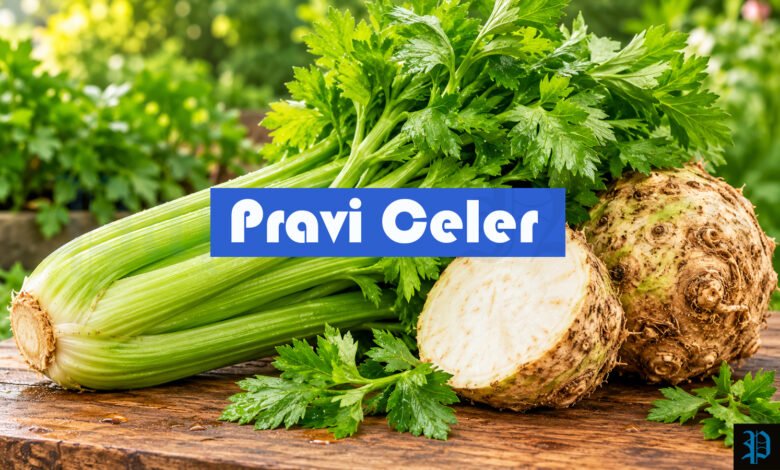
In many Balkan homes, the word “celer” often points to celery root, the round, knobby root that people use in soups and stews. In other places, “celer” can mean the green stalks that you see in a salad or in a vegetable platter. Both parts come from the same plant family, and both are used in the kitchen.
People often say “pravi celer” when they want to talk about fresh, natural celery that they cook with at home, and not about a processed product, a powder or a flavor mix. It is a normal everyday phrase, much like saying “real butter” or “real honey”.
Is Pravi Celer a Special Type of Celery?
This is a good question, because some websites make it sound like pravi celer is a rare plant, a secret diet food or even a special cooking method. When you check reliable food and plant sources, you do not find that.
Here is what we can say for sure:
- “Pravi celer” is not an official plant name.
- It is not a protected product or a special brand.
- It is not a cooking technique from Italy or from any other country.
It simply means real celery. The plant behind it is called Apium graveolens. It belongs to the Apiaceae family, which also includes carrots, parsley and parsnips. That family link is useful to know, because these plants share a similar fresh, slightly peppery and herbal taste.
So when you read an article that promises “secret powers” in pravi celer, be careful. Celery is a good, healthy vegetable, but it is a normal vegetable. You get the best from it when you eat it as part of a varied diet.
Celery Root and Celery Stalks: What Is the Difference?
The celery plant has been grown in different forms for different uses. Plant researchers group the main forms like this:
- Stalk celery is the type with long, crisp green stalks. It is popular in the USA and in Western Europe.
- Celery root, also called celeriac, is grown for its thick, round root bulb.
- Leaf celery is grown mostly for its leaves and thin stems. It is common in parts of Asia.
In many Balkan recipes, the root is the star. You will find it in soups, in vegetable stock, in stews and in homemade salads. In English-speaking countries, people more often buy the green stalks. Both are good choices, and you can even use them together.
Here is a short comparison:
| Feature | Celery root (celeriac) | Celery stalks |
|---|---|---|
| Part you eat | The round root | The long green stalks |
| Looks | Rough, brown, knobby outside, white inside | Smooth, pale to bright green |
| Taste | Earthy, mild celery flavor, a little sweet | Fresh, crisp, slightly salty and peppery |
| Texture | Firm like a potato or turnip when raw | Crunchy and watery |
| Best uses | Soups, mash, roasting, grated salads | Snacks, salads, soups, stock |
| Calories (raw, per 100 g) | About 42 | About 16 |
Because celery root has more starch and a bit more protein, it feels more filling. Celery stalks have more water, so they feel light and fresh.
Europe grows a lot of celery root. In 2017, the European Union produced about 526,000 tons of celeriac and about 336,000 tons of stalk celery. That tells you how common the root is in European kitchens.
A Short Look at the Name
The word “celer” is old. It looks very similar to the Latin word celer, which means “swift” or “fast”. That is also why you may see the word in other places, like the name of a computer chip. The chip name uses the same Latin root, as in the English word “accelerate”. It has no link to the vegetable.
This is why your Google search for “pravi celer” can show mixed results. When you want the food, add words like “celery root”, “celeriac” or “recipe” to your search, and you will find what you need faster.
Nutrition Facts: What Is Inside Pravi Celer?
Let’s look at the numbers. The values below come from the USDA FoodData Central database, which is a trusted source for food data. Numbers can change a little between samples, so treat them as good estimates.
Raw celery root (celeriac), per 100 grams
| Nutrient | Amount |
|---|---|
| Calories | About 42 kcal |
| Water | About 87 g |
| Protein | About 1.5 g |
| Fat | About 0.3 g |
| Carbohydrates | About 9.2 g |
| Fiber | About 1.8 g |
| Vitamin K | About 41 mcg (around one third of the daily need) |
| Potassium | About 300 mg |
| Phosphorus | About 115 mg |
| Calcium | About 43 mg |
Raw celery stalks, per 100 grams
| Nutrient | Amount |
|---|---|
| Calories | About 16 kcal |
| Water | About 95 g |
| Fiber | About 1.6 g |
| Vitamin K | About 30 mcg |
| Potassium | About 260 mg |
| Folate | About 36 mcg |
| Vitamin C | About 3 mg |
A few things stand out:
- Both forms have very few calories.
- Both have almost no fat.
- Both are a good source of vitamin K.
- Both give you some potassium.
- Celery root has more carbohydrates and protein, so it is more filling.
- Celery stalks have more water, so they are very refreshing.
One note about salt. Celery is a plant with a small natural amount of sodium. Raw celery root has about 100 mg of sodium per 100 g. That is a low amount, but it adds up if you also add salt, stock cubes or salty sauces.
Health Benefits of Pravi Celer
Let’s be honest first. No single vegetable can cure a disease or fix a diet by itself. What celery can do is help you eat well. It is cheap, easy to find and easy to cook. Here are the benefits that are supported by basic nutrition facts.
It is low in calories and fills you up
Celery stalks have about 16 calories per 100 grams. A medium stalk has only around 6 calories. Celery root is higher, at around 42 calories per 100 grams, but that is still lower than potatoes, which have about 77 calories for the same weight.
Because both are full of water and fiber, they help you feel full without adding many calories. This can be useful if you want to eat lighter meals. Some people say celery has “negative calories”, which means your body burns more calories to eat it than it gives you. There is no good scientific support for that idea. Celery is simply a low-calorie food.
It helps you stay hydrated
Celery stalks are about 95 percent water. Celery root is about 87 percent water. Eating foods with a lot of water is one more way to get fluids, especially on hot days. Celery also has potassium, a mineral that your body uses to keep fluids in balance.
Of course, celery does not replace a glass of water. But it is a tasty snack that adds to your daily fluid intake.
It gives you fiber for your digestion
Both celery root and celery stalks have fiber, about 1.6 to 1.8 grams per 100 grams. Fiber helps your gut move food along and helps you stay regular. It also feeds the helpful bacteria that live in your gut.
Fiber from celery is not as high as the fiber from beans or whole grains. Still, it adds to your total for the day. An important tip: eat celery whole, or blend it, instead of only drinking the juice. Juicing removes much of the fiber.
It is a good source of vitamin K
Vitamin K is the star nutrient in pravi celer. A 100-gram serving of raw celery root gives about one third of the daily amount most adults need. Celery stalks give a good share too.
Your body needs vitamin K for two main jobs:
- Blood clotting, which helps stop bleeding when you get a cut.
- Bone health, because vitamin K helps your body use calcium in the right way.
Because vitamin K can also affect some medicines, there is a safety note for people on blood thinners. You can read about it in the next section.
It brings potassium to your plate
Potassium helps your muscles and nerves work well, and it plays a role in healthy blood pressure. Celery root has around 300 mg of potassium per 100 grams, and celery stalks have around 260 mg. Many people do not eat enough potassium, so vegetables like these are a simple way to add some.
It has plant compounds with antioxidant effects
Celery contains plant compounds such as apigenin and luteolin. These belong to a group called flavonoids, which act as antioxidants in lab studies. Scientists are still studying how much they matter for human health when you eat normal amounts of celery. So it is fair to say that they may be helpful, but you should not expect a big or fast change.
It fits many eating styles
Celery root and celery stalks are naturally vegan, gluten-free, lactose-free and nut-free. That makes them easy to share at the table when friends or family have different food needs. The only big exception is a celery allergy, which we cover next.
Who Should Be Careful With Pravi Celer?
Celery is safe for most people. A few groups should take extra care.
People with a celery allergy
Celery is one of the 14 main allergens that must be listed on food labels in the European Union and the United Kingdom. Allergy experts, such as Allergy UK and Anaphylaxis UK, give this advice:
- Celery allergy can happen with any part of the plant: stalks, leaves, seeds and root.
- Celery root (celeriac) should be avoided too, because it has very similar allergens.
- Celery is common in hidden forms, like celery salt, stock cubes, spice mixes, salad dressings and soups.
- Reactions to celery root can happen more often in Europe, where people eat it more.
Symptoms may include an itchy or tingling mouth, swollen lips, hives, stomach pain, nausea and, in rare cases, a very serious reaction called anaphylaxis.
There are two main kinds of celery allergy:
- Pollen food syndrome. Some people who have hay fever from birch or mugwort pollen also react to raw celery. Symptoms are usually mild and stay in the mouth and throat. Heat often destroys the proteins that cause this reaction, so cooked celery may be easier to eat for these people.
- Primary celery allergy. This is less common but can be more serious. People with this type may react even to cooked celery or to dried celery spice.
If you think you may be allergic, do not test it on your own. See a doctor or an allergy specialist.
People who take warfarin
Warfarin is a blood thinner. It works in the opposite way to vitamin K. If your vitamin K intake changes a lot from one week to the next, your medicine may work too strongly or too weakly.
Doctors do not usually say that people on warfarin must avoid vitamin K foods. The usual advice is to keep your intake steady and consistent from week to week, and to tell your doctor or pharmacist before you make big changes to your diet. This includes eating much more celery, or starting a daily celery drink. If you take a blood thinner, ask your care team how celery fits into your plan.
People who need to watch potassium
Celery has a fair amount of potassium. That is good for most people. But if you have kidney disease or your doctor told you to limit potassium, ask how much celery is right for you.
A general note
This article gives food information. It does not replace medical advice. If you have a health condition or take regular medicine, talk to your doctor before you make a big change to your diet.
How to Choose Fresh Celery Root and Celery Stalks
Good cooking starts with good shopping. Use these simple checks.
Celery root
- Pick a root that feels heavy for its size and is firm all over.
- Avoid roots with soft spots, deep bruises or signs of mold.
- A fresh root has a clean, earthy smell.
- Small and medium roots are often easier to peel and have a finer texture than very large ones.
- Do not worry about the rough, hairy skin. That is normal.
Celery stalks
- Choose tight, firm bunches with fresh, healthy-looking leaves.
- The stalks should be straight and stiff, and they should snap when you bend them.
- Avoid stalks that spread open, look yellow or have cuts and bruises.
How to Store Pravi Celer
Celery has a lot of water, so it can lose moisture fast. Good storage helps it stay crisp and tasty.
Celery root
- Wrap the unwashed root in a paper towel and place it in the vegetable drawer of your fridge. The paper towel soaks up extra moisture, which helps stop the root from turning slimy.
- If you peel and cut it before you cook, put the pieces in cold water with a little lemon juice or salt. This stops the white flesh from turning brown.
- You can also freeze the root. Cut it, cook it briefly, cool it, and then freeze it. It will not stay crisp, but it works well in soups and mash.
Celery stalks
- Plastic bags from the store can make celery spoil faster, because celery gives off ethylene gas, which speeds up ripening.
- A popular trick is to wrap the whole bunch in aluminum foil and keep it in the fridge. Many kitchen sources say this can keep stalks crisp for two weeks or longer.
- Another option is to stand the stalks in a container with some cold water, and keep them in the fridge. Change the water now and then.
- Cut celery loses moisture faster, so use it in a few days.
- If your celery goes limp, put it in a bowl of cold water for several minutes. It often becomes crisp again.
- Keep celery away from ripe fruit like apples and bananas, because they give off a lot of ethylene.
How do you know that celery has gone bad? It feels soft, bends easily, looks faded, or has slime or mold. If you see these signs, throw it away.
How to Prepare Celery Root
Many people feel nervous about celery root because it looks odd. In fact, it is easy to prepare. Follow these steps:
- Wash the root under cold water and scrub off the dirt.
- Cut a thin slice from the top and the bottom so the root sits flat on your board.
- Peel the skin with a sharp knife. The skin is thick, so a knife works better than a small peeler. Cut away the skin in strips from top to bottom.
- Cut the root into slices, sticks or cubes, depending on your recipe.
- Protect the color. Put the cut pieces in water with lemon juice or a pinch of salt until you are ready to cook.
You can also grate it raw with a box grater for salads.
Easy Ways to Use Pravi Celer in the Kitchen
Here are simple ideas for every level. You do not need special skills or tools.
Classic vegetable soup
Celery root is a favorite base for soups in many Balkan homes. It gives a deep, warm flavor.
What you need:
- 1 small celery root, peeled and cubed
- 2 carrots, sliced
- 1 onion, chopped
- 2 potatoes, cubed
- 1 tablespoon of oil
- 1 liter of water or light stock
- Salt, pepper and fresh parsley
How to make it:
- Warm the oil in a pot and cook the onion for about 5 minutes.
- Add the celery root, carrots and potatoes. Stir for 2 minutes.
- Add the water or stock. Bring it to a boil.
- Lower the heat and cook for about 25 to 30 minutes, until everything is soft.
- Add salt and pepper, and top with chopped parsley.
For a smooth soup, blend half of it with a hand blender and mix it back in.
Creamy celery root mash
This is a nice change from potato mash. It tastes lighter and a little sweet.
What you need:
- 1 medium celery root, peeled and cubed
- 1 potato, peeled and cubed
- A small piece of butter or 1 tablespoon of olive oil
- A splash of milk
- Salt and pepper
How to make it:
- Boil the celery root and potato in salted water for 15 to 20 minutes, until soft.
- Drain well.
- Mash them with the butter or oil and a little milk.
- Season to taste.
Using some potato makes the mash smoother. You can also try it with only celery root if you like a stronger taste.
Roasted celery root
What you need:
- 1 celery root, peeled and cut into thick sticks
- 2 tablespoons of olive oil
- Salt, pepper and a little garlic powder or dried herbs
How to make it:
- Heat your oven to 200 °C (about 400 °F).
- Mix the sticks with the oil and spices on a baking tray.
- Roast for 25 to 35 minutes, turning once, until golden and soft inside.
Roasting brings out a sweet, nutty taste. It is great next to chicken, fish or beans.
Fresh celery root salad
Raw celery root is crunchy and fresh. This salad is quick and needs no cooking.
What you need:
- Half a celery root, peeled and grated
- 1 apple, grated
- Juice of half a lemon
- 2 tablespoons of plain yogurt or a little mayonnaise
- Salt and pepper
How to make it:
- Grate the celery root and the apple into a bowl.
- Add the lemon juice right away so they do not brown.
- Stir in the yogurt, salt and pepper.
- Let it rest for 10 minutes in the fridge before you serve.
Crunchy celery stalk snacks
For a quick snack, wash the stalks, cut them into sticks and serve them with:
- Hummus
- Peanut butter or another nut butter
- Soft cheese or cottage cheese
- Plain yogurt dip with herbs
This is a simple way to add crunch to your day. Add a small amount of healthy fat, like nut butter or olive oil, because vitamin K is a fat-soluble vitamin. That means your body takes it in better with a little fat.
Flavor base for sauces and stews
Many recipes begin with a mix of chopped onion, carrot and celery cooked slowly in oil. Cooks all over the world use this combo as a flavor base for stews, bean dishes, meat sauces and rice dishes. If you have a little celery in the fridge, this is an easy way to use it before it goes soft.
Smoothies and blended drinks
You can blend a stalk of celery with a green apple, cucumber, lemon juice and water. Blending keeps the fiber, which is better than juicing. If you take blood thinners, remember the advice about consistent vitamin K and ask your doctor first.
Don’t throw away the leaves
Celery leaves have a strong, fresh taste. Chop them like an herb and add them to soups, salads and egg dishes. If you want the stalks to last longer, trim the leaves off and store them separately. Many kitchen guides say this helps the stalks stay fresh.
Raw or Cooked: Which Is Better?
Both are fine, and each has its good points.
- Raw celery keeps more of its vitamin C and its crunch. It is great for salads and snacks.
- Cooked celery is softer and sweeter, and it is easier to digest for some people. Heat can also make celery easier for some people with pollen related allergy.
- Steaming or short cooking keeps more nutrients than long boiling, because some vitamins move into the cooking water. If you boil celery in soup, you can drink the broth, so you do not lose those nutrients.
A mix of both is a good plan. Eat some raw celery in a salad, and cook some in soups and stews.
Common Myths About Celery
Myth: Celery has negative calories. Fact: Celery has very few calories, but your body does not burn more energy to digest it than it gives. The “negative calorie” idea has no solid proof.
Myth: Celery juice is a miracle drink. Fact: Celery juice has the same plant compounds as celery, but juicing removes much of the fiber. Whole celery is a better choice for fullness and digestion. No juice can cure a disease.
Myth: You must eat a lot of celery to get benefits. Fact: A normal amount, such as a few stalks or a serving of celery root a few times a week, is enough as part of a balanced diet. Eating a very large amount is not needed and may not suit everyone.
Myth: Pravi celer is a rare super food. Fact: It is simply real celery. It is a good everyday vegetable, not a miracle food.
Tips for Adding More Celery to Your Week
- Add a chopped stalk to your tuna salad, chicken salad or egg salad.
- Keep a bag of washed celery sticks in the fridge for snacks.
- Start soups and stews with onion, carrot and celery.
- Swap half of your potato mash for celery root mash.
- Grate raw celery root into a slaw with carrot and apple.
- Roast celery root with other root vegetables on a baking tray.
- Use the leaves as an herb to top your meals.
Small habits are easier to keep than big changes. Start with one or two ideas and see what your family likes.
Final Thoughts
Pravi celer means “real celery”. It is a normal vegetable from the same family as carrots and parsley, and it is loved in many kitchens, especially in the Balkans and across Europe. Celery root and celery stalks are low in calories, full of water, and a good source of vitamin K and potassium. They also give you some fiber and plant compounds.
You should not expect a miracle from it. But as part of a mix of fruits, vegetables, whole grains and proteins, celery is a smart, cheap and tasty choice. Just remember the safety points: avoid it if you have a celery allergy, keep your vitamin K intake steady if you take warfarin, and talk with your doctor if you need to watch your potassium.
Next time you see a knobby celery root in the store, give it a try. Peel it, cut it, and drop it into your soup. You may be surprised how much flavor this simple root can add.
Frequently Asked Questions
What does pravi celer mean?
Pravi celer means “real celery” in languages like Serbian, Croatian and Slovene. “Pravi” means real or true, and “celer” means celery. People use it for fresh celery, often the root, in everyday cooking.
Is pravi celer the same as celery root?
Not always. The word “celer” can mean the celery root (celeriac) or the celery plant in general, so it depends on the person and the recipe. In many Balkan recipes, it points to the root. When you are not sure, look at the recipe or ask the seller whether it is the root or the stalks.
Is pravi celer healthy?
Yes, it is a healthy vegetable for most people. It has few calories, a lot of water, some fiber, vitamin K and potassium. It is best as one part of a varied diet, and it is not a cure for any disease.
How many calories does celery root have?
Raw celery root has about 42 calories per 100 grams, according to USDA data. Celery stalks have about 16 calories per 100 grams. Your final number will depend on how you cook it and what you add, like oil, butter or cream.
Can pravi celer help with weight loss?
It can support a lighter way of eating because it has few calories and gives you water and fiber, which help you feel full. However, it will not burn fat on its own, and the idea of “negative calories” is a myth. Weight loss depends on your whole diet and lifestyle.
Can I eat pravi celer if I take blood thinners?
Many people on warfarin can eat celery, but the key is to be consistent. Celery has vitamin K, and sudden changes in your vitamin K intake can change how your medicine works. Talk to your doctor or pharmacist before you start eating much more celery or drinking celery juice every day.
Who should not eat pravi celer?
People with a celery allergy should avoid all parts of the plant, including the root, leaves, seeds and celery salt. If you have kidney problems or a low-potassium diet, ask your doctor how much is right for you. If you are not sure about an allergy, get medical advice and do not test it yourself.
How do I store celery root so it stays fresh?
Wrap the unwashed root in a paper towel and keep it in the vegetable drawer of your fridge. After you peel and cut it, keep the pieces in cold water with a little lemon juice until you cook them. This helps stop the browning. You can also cook it lightly and freeze it for soups.
Is it better to eat celery raw or cooked?
Both ways are good. Raw celery stays crunchy and keeps more vitamin C. Cooked celery is soft and sweet, and it blends well into soups, stews and mash. A mix of both gives you variety. For some people with pollen related allergy, cooked celery may cause fewer mouth symptoms, but anyone with an allergy should ask a doctor first.
Is celery juice better than eating whole celery?
For most people, whole celery is the better choice. Juicing removes most of the fiber, which helps with digestion and with feeling full. If you like the taste of celery juice, you can enjoy it now and then, or blend whole celery in a smoothie to keep the fiber.
MORE INFORMATION STAY CONNECT FOR : PAPULAR NEWS

