

You may have seen the word Plangud online and wondered what it means. Maybe you found it in a blog post about planning apps. Maybe another page told you it is a kind of floor. Or maybe you saw it in a list of new trending words and felt a little lost.
You are not alone. Plangud is a strange case. When you search for it, you get many answers, and they do not agree with each other. Some pages say it is a planning app. Some say it is a way of thinking. Some say it is wood or flooring. A few even link it to health and food.
Quick Answer: What Is Plangud?
Here is the short version.
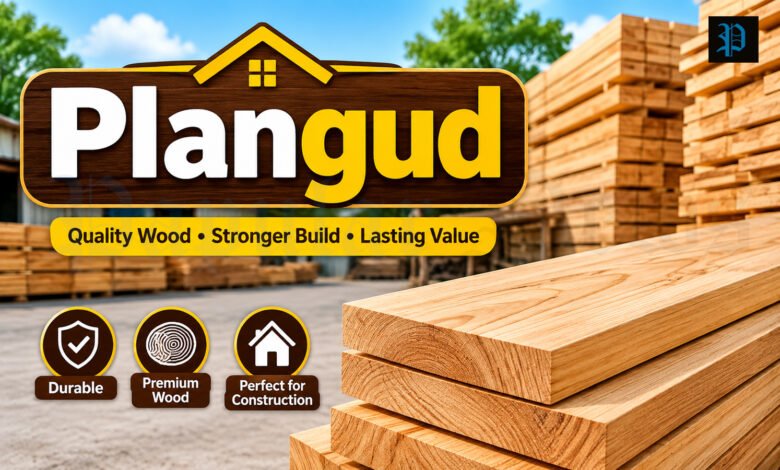
The best documented meaning of Plangud comes from the Estonian language. In Estonian, the word plank means a long, flat piece of timber, and plangud is described as the plural form, which means planks or thick boards.
Many other websites say Plangud is a digital planning platform, a productivity method, a flooring product, or a lifestyle idea. These ideas are not supported by one clear and official source. Most of the pages that talk about them do not name a company, a founder, or a launch date.
So if you want a safe answer, it is this: Plangud has one meaning you can check in a language reference, and several other meanings that are still unproven.
Why Do So Many People Search for Plangud?
A strange word often gets attention for simple reasons. People see it somewhere, they feel curious, and they type it into Google. When enough people do this, more websites write about it. Then even more people see the word, and the circle continues.
With Plangud, this seems to be what happened. The word looks like a brand name. It sounds a bit like “plan”, so many writers guessed that it must be about planning. Once a few articles said so, other articles copied the idea.
This matters because a search result is not the same as proof. A page can appear on the first page of Google and still be wrong or weak. Google shows pages that match your words. It does not always check if the facts are true.
That is why it helps to slow down and look at where each claim comes from.
The Estonian Meaning of Plangud
Let us start with the meaning that has the strongest support.
What the word plank means in Estonian
Estonian is the language of Estonia, a small country in northern Europe. The Estonian Institute of Language keeps a large online dictionary called Sõnaveeb. In that dictionary, the word plank has a meaning that matches the English word “plank”. It describes a long and fairly thin piece of timber cut from a log. People usually use it to build things, for example floor boards or wall boards.
The same dictionary shows many words that are built with plank. For example:
- A fence made of boards placed close together is called aiaplank or plankaed. The word aed means fence, and aia is a form of aed.
- A board used on the deck of a ship is called tekiplank. The dictionary example says that deck planks turn grey over the years.
- A tree root that grows up from the ground to support a big tree, like in some tropical trees, is called plankjuur.
So the word is part of normal, everyday Estonian. It is not a new internet word. It is old, simple, and practical.
Where the plural comes from
Estonian words change their shape when they are plural. Reports about Plangud say that plangud is the plural form of plank. In plain English, one board is a plank, and many boards are plangud.
One article on a site called Byte Bullion makes the same point. It says Plangud is the one clearly documented meaning and that it refers to planks or thick boards used in building, floors, and fences. The same article also says it did not quote one exact dictionary entry. So if you want to be fully sure, you can open the Estonian dictionary yourself and look at the word forms for plank. That is the best way to check it.
Other meanings of plank in Estonian
Language is never as simple as one word and one meaning. The Estonian dictionary shows that plank has more than one use:
- It can mean a printed form that you fill in, like an application form or a prescription form. The dictionary says this word was borrowed from a Russian word for “blank”.
- In casual speech, it can mean someone who has no money, a person who is “broke”.
These meanings may use different plural forms. That is normal in Estonian, because the same spelling can follow different patterns. So we should be careful. When we say plangud means “planks”, we are talking about the wood meaning, which is the main one in building and carpentry.
A look at the history of the word
Researchers also study where Estonian words come from. A 2023 article in the Estonian journal Keel ja Kirjandus, written by Lembit Vaba, looks at the word lank, which can mean a piece of forest that was cut down. The article notes that in some Estonian dialects people also used forms like plank, with plural-type forms such as plangi or plangu, in the sense of a cut area of forest.
This shows that words in this family have been in Estonian speech for a long time. It also shows that the history of such words can be complex. You do not need to know all of this to understand Plangud. But it helps to see that the Estonian link is real and not made up.
Plangud as a Planning App or Platform
Now let us look at the most popular claim online. Many pages say Plangud is a digital planning tool.
What these pages say
One page on a site called Marsh Magazine describes Plangud as a browser-based platform for tasks, projects, and team talks. It says you do not need heavy software, and that the screen is clean and easy. Another article says it is a planning app with phone and tablet versions. A third says it helps teams with workflows.
If all of this were true, we would expect to find simple things like:
- The name of the company that makes it
- An official website with a clear about page
- App store pages with real user reviews
- A price list that is the same everywhere
- News or interviews about the founders
What is missing
When we looked at the pages that talk about Plangud as a platform, we did not find these things in a clear and trusted way.
One site named plangud.org has an article that describes Plangud as an online term and brand linked to planning, teamwork, and organized progress. But that same article says there is no single accepted definition. It says the name is only “associated online” with a planning platform. It does not name a company, a team, a launch date, a price, or a feature list. It also warns readers to check the official source, to see if features are really available, and to ask if reviews come from real users.
That is an honest warning, and it is good advice. It also tells us something important: even the sites that push the planning idea do not give strong proof.
Other pages go further. They compare Plangud with well-known tools like Trello, Asana, Notion, Todoist, and ClickUp. They list pros and cons, and some give stories about users. But the comparisons often use the same general sentences, and the user stories do not give full names, dates, or places. When a review has no detail you can check, it is wise to be careful.
So is it a real app?
We cannot say for sure. It is possible that a small tool or website uses the name. It is also possible that the name only exists inside articles. What we can say is this: we did not find clear and independent proof of a company, a product, or a store listing that you can trust.
If you plan to sign up for something named Plangud, do not rely on a blog post. Look for the product’s own site, read its terms and privacy pages, search for the company name, and check if real people talk about it on independent sites.
Plangud as a Mindset or Method
Some pages do not call Plangud an app. They call it an idea. One article says it is a way of planning that mixes clear structure with the ability to change your plan when life changes. Another says it connects tasks, habits, and goals in one place.
These ideas sound nice, and they are not wrong. Good planning really does need both structure and flexibility. But there is a problem. The pages do not explain who created this method, when, or where it was described first. They also do not share a clear set of steps that comes from one source.
When many writers describe a “method” in different ways, the method often comes from the writers, not from a real founder. In other words, the idea may be useful, but the name Plangud may just be a label that writers have placed on general planning advice.
Planning tips that work, with or without the name
You do not need a special word to plan well. Here is a simple way that many people use. It is general advice, and it is not an official Plangud system.
- Write your main goal in one sentence. Keep it clear. For example: “Finish my online course by the end of March.”
- Break the goal into small parts. Big goals feel heavy. Small tasks feel easier to start.
- Pick the next action. Ask yourself what the very next step is. Then do that step first.
- Set a short review time. Once a week, look at what you did and what did not work. Change the plan if you need to.
- Be kind to yourself. Plans often change. A good plan can bend without breaking.
As the plangud.org article itself says, no planning tool can promise good results, and more planning is not always better. The real value comes from taking action and checking your progress.
Plangud Flooring and Wooden Planks
Another group of articles says Plangud is a flooring product or a type of wooden plank. Some say it has features like scratch resistance, an anti-slip surface, and easy installation. Some say it is cheaper than premium brands.
What makes sense and what does not
The link to wood is not random. As we saw, the Estonian word means planks. So when someone writes about wooden planks and calls them Plangud, they may be using the word in its normal meaning, which is simply “planks”.
But there is a difference between “the word for planks” and “a flooring brand”. Pages that call Plangud a modern flooring brand do not name a factory, a country of origin, a model number, a warranty, or a shop where you can buy it. Without those details, you cannot tell if the product exists.
If you read a page that says Plangud flooring is strong, waterproof, and cheap, think about this. A real floor product always has clear technical information, such as the wood type or material, the thickness, the surface layer, the water rating, and the warranty. If none of that is given, the page is probably describing an idea and not a real item.
What to check when you buy wooden planks
If you really want to buy planks or flooring, here are useful questions. This is general advice about buying wood, and it does not depend on the name Plangud.
- What is the wood or material? Is it solid wood, engineered wood, or a plastic copy?
- How thick is it, and how wide?
- Was the wood dried well? Wet wood can bend or crack later.
- What is the grade or quality level?
- Does the seller offer a warranty and a return policy?
- Can you see samples or real photos from customers?
A good seller will answer these questions without trouble. If a seller cannot, look elsewhere.
The Health and Wellness Claim
One article we found says Plangud is a framework that mixes planning, nutrition, and creative thinking, and that it helps with digestion and gut health. This is the weakest claim of all.
Health claims need proper evidence, such as studies or advice from medical experts. The page we saw does not give that. It does not name a doctor, a study, or a trusted health body. It is also strange to combine planning and digestion in one idea.
If you have a health concern, please talk to a doctor or a qualified health worker. Do not use a random web article to make health choices. This is true for Plangud and for any other trending word.
Why Do Websites Disagree About Plangud?
By now you may ask a simple question: why are there so many different stories? Here are the main reasons.
The word is rare
When a word is rare, there is not much real information about it. That leaves an empty space. Writers can fill it with almost anything, and few people will challenge them.
Writers copy each other
Many small sites write about the same trending words. They often read the top few pages and then write something similar. If the first pages made a guess, the next pages repeat it. After some time, the guess looks like a fact because it appears in many places.
The word sounds like a brand
Plangud looks and sounds like an app name. It is short, easy to say, and has the “plan” sound at the start. That makes it simple for writers to link it with planning, even if the real word comes from somewhere else.
Search traffic
Some websites write about rare keywords because few other sites compete for them. It can be an easy way to get visitors. The Byte Bullion article suggests this is one reason for the many invented meanings. Please note that this is the opinion of that article. It does not prove it. Still, it fits with what we see: confident writing, but very few checkable details.
Honest pages admit the doubt
It is worth saying that some pages do show honesty. For example, the plangud.org article says that there is no single accepted meaning and that readers should separate facts from opinions. We should respect that kind of honesty. It is much better than a page that gives strong claims with no proof.
How to Check Any Trending Word Yourself
You can use the steps below for Plangud or for any new word you see online. They are quick and simple.
- Look for the source. Does the page say where the information came from? A name, a date, and a place are good signs.
- Check a language reference. If a word may come from another language, use a trusted dictionary. For Estonian, the Sõnaveeb dictionary from the Estonian Institute of Language is a good place.
- Find the owner. If it is a product, you should be able to find the company, the address, and the contact page.
- Read more than one page. If every page says the same general things with no detail, they may be copying each other.
- Watch for big promises. Words like “best”, “ultimate”, or “changes everything” with no proof are a warning sign.
- Look at the date. Old pages can be wrong now. New pages can be too fresh to be tested.
- Trust small details. Real products have small and boring details, like version numbers, file sizes, or return rules. Made-up ideas usually do not.
What This Means for Writers and Bloggers
If you run a blog or a website, you may feel tempted to write about Plangud because many people search for it. That is fine. But think about the reader first.
A helpful article should tell the reader the truth, even if the truth is “this is not clear”. Readers value honesty. They also come back to sites that help them avoid mistakes.
Here is a simple plan for a good article on a confusing word:
- Start with the meaning you can prove.
- List the other meanings, and say how strong the proof is for each.
- Tell the reader what you could not confirm.
- Give clear steps so they can check for themselves.
- Avoid made-up reviews, made-up numbers, and made-up user stories.
This kind of writing is better for people, and in the long run it is also better for search rankings. Search engines want pages that help real people.
Key Points to Remember
Let us bring everything together in a few clear lines.
- Plangud has one meaning you can check: the plural of the Estonian word plank, which means planks or boards.
- The word plank in Estonian has other uses too, like a form to fill in, and a casual word for having no money.
- Many websites call Plangud a planning app, a method, a flooring brand, or a wellness idea.
- We did not find clear and independent proof of a company, a product, or a store listing for these claims.
- Even the pages that promote the planning idea admit that there is no single accepted definition.
- Before you trust, pay, or sign up, check the official source, the owner, and real user reviews.
- If you want to plan better, simple habits work with or without a special name.
Final Thoughts
Plangud is a good example of how the internet can create confusion around a small word. It started as a plain word for boards in Estonian. Then it moved into the world of blogs and search results, where many writers gave it new meanings.
That does not mean every planning idea or every product idea is bad. It only means you should not accept them just because many pages repeat them. A calm, careful look can save you time, money, and stress.
The next time you meet a strange word online, take a minute. Check a dictionary. Look for the owner. Ask for proof. And if the answer is “nobody knows yet”, that is a fine answer too. It is better to be honest than to be sure and wrong.
Frequently Asked Questions
What is Plangud in simple words?
Plangud is a word that has one clear meaning in the Estonian language. It is described as the plural of plank, which means a long, flat piece of timber. Many websites also use the word for planning tools or ideas, but those meanings are not backed by a clear official source.
Is Plangud a real app?
We could not find clear proof of an official app with a named company, a store page, and verified reviews. Some blogs describe it as a browser-based planning platform, but they give very few details you can check. Before you use anything with this name, look for the official site and the company behind it.
Where does the word Plangud come from?
It comes from Estonian. The base word is plank, which means a thick board or plank of wood. The plural form is reported as plangud. You can check the word in the Sõnaveeb dictionary from the Estonian Institute of Language.
Does Plangud mean wooden planks?
Yes, that is the closest match to the real language meaning. In Estonian, plank is used for timber boards in building, floors, and fences. So when people say Plangud means wooden planks, they are following the base meaning of the word.
Is Plangud a flooring brand?
We did not find a clear brand with a factory, a model list, a warranty, or a shop. Some pages describe Plangud flooring with nice features, but they do not give the technical details that a real product would have. If you want to buy flooring, ask the seller about the material, thickness, quality grade, and warranty.
Is Plangud a productivity method?
Some articles describe it as a way to mix clear plans with flexibility. The idea of planning with some freedom is useful, but we could not find who created Plangud as a method. It is better to treat it as general planning advice and not as an official system.
Can Plangud help with health or digestion?
There is no trusted medical evidence for that claim. The page that makes it does not show studies or expert advice. If you have a health question, please speak with a doctor or another qualified health worker.
Why are there so many different meanings for Plangud?
The word is rare, so there is little solid information. Many sites copy each other, and the word sounds like a brand name that is linked to planning. Some sites may also write about it because few others compete for the keyword. All of this leads to many guesses that look like facts.
How can I check if a claim about Plangud is true?
Look for a named source, a company, and real details like dates, prices, and contact pages. Use a trusted dictionary for language meanings. Read more than one page, and be careful with big promises and reviews that give no names or places.
Should I pay for something called Plangud?
Not until you have checked it well. Find the official website, read the terms and privacy pages, search for the company name, and look for reviews on independent sites. If you cannot find these things, it is safer to wait or choose a tool with a clear and trusted record.
MORE INFORMATION STAY CONNECT FOR : PAPULAR NEWS

